This project is about finding connections between plant roots and textiles. My interest in roots came from several different places in my life, the first being working in the dye garden in my school where me and root would come in contact a lot. Every time I would take a plant out of the soil or plant a seedling me and root would come face to face.
Another time I learnt more about roots was from my brother; 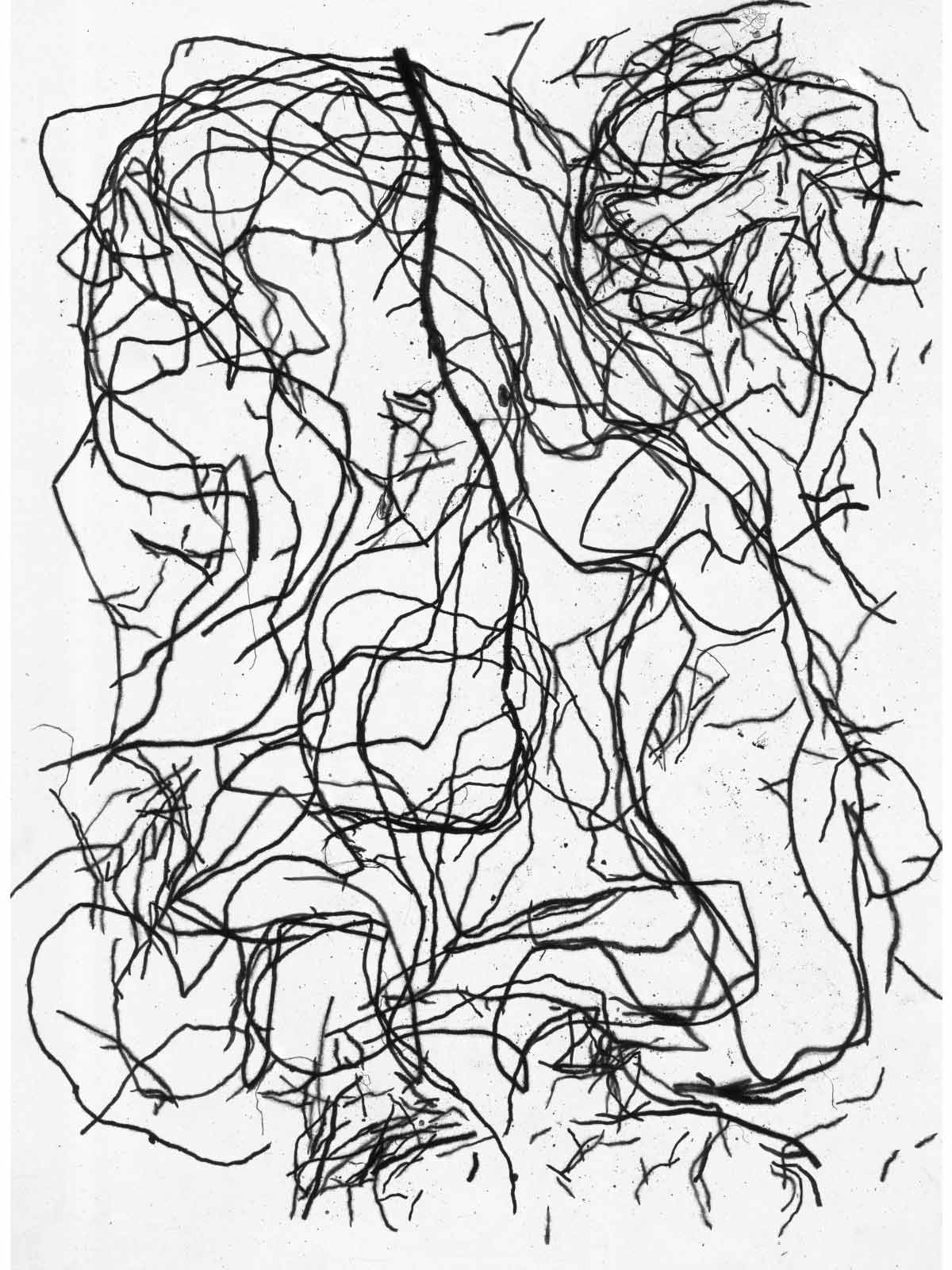 in his biology practice he did research about a specific little piece of root from the green bean plant. While I did not read his whole research, I saw all the scans he made from these roots. I found them beautiful, and it made me see the beauty of root again.
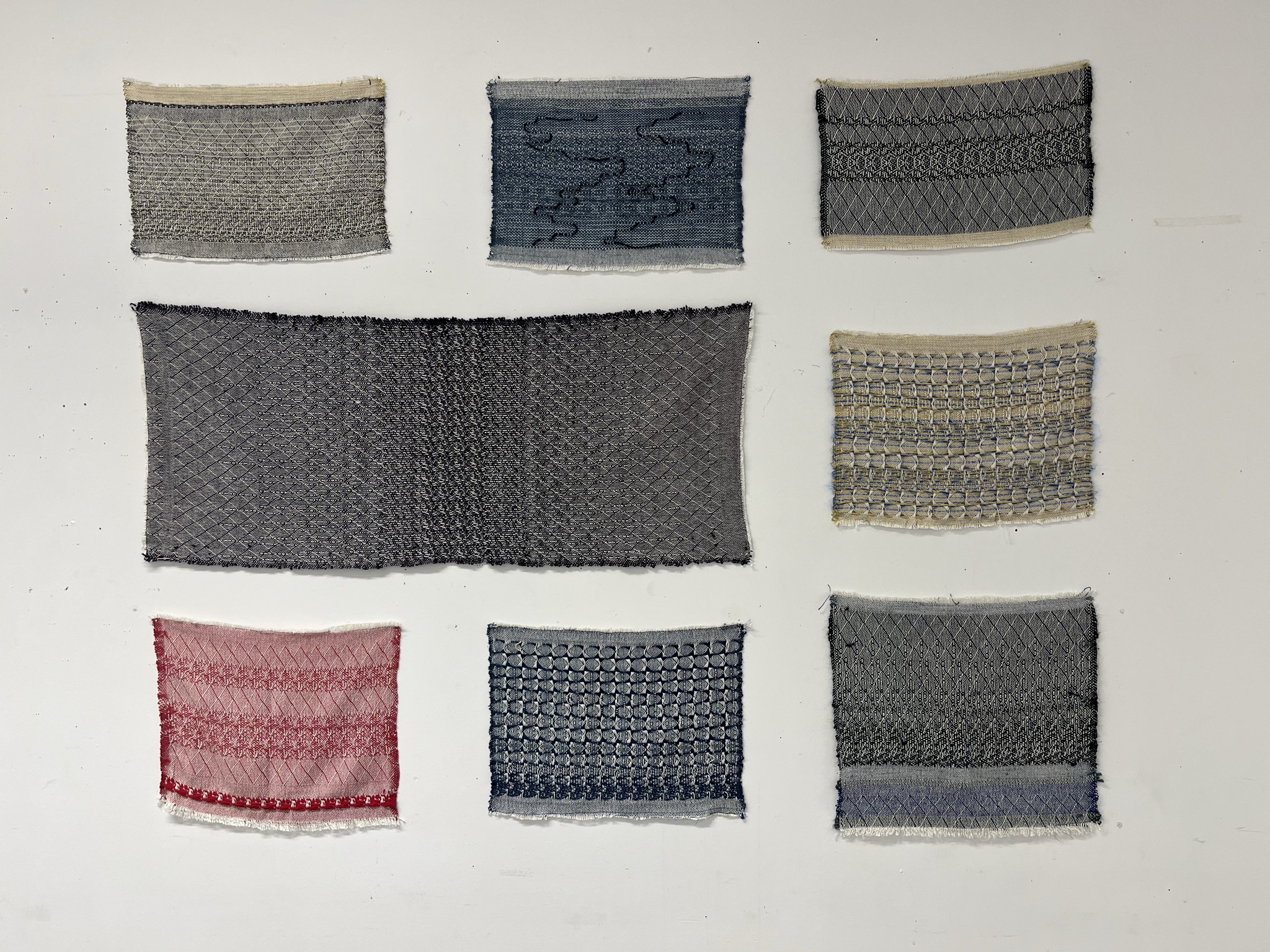
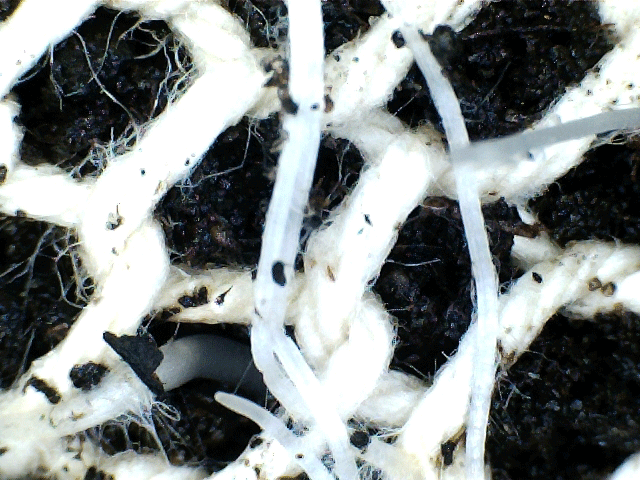
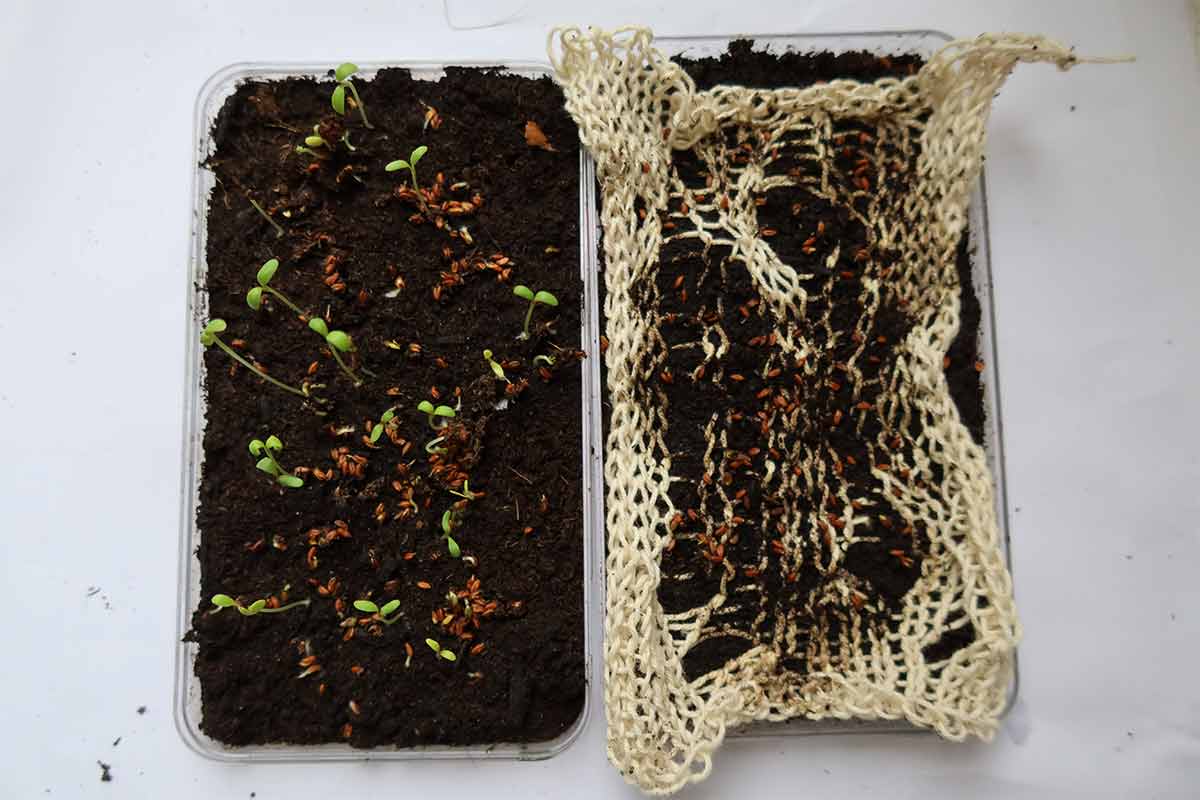
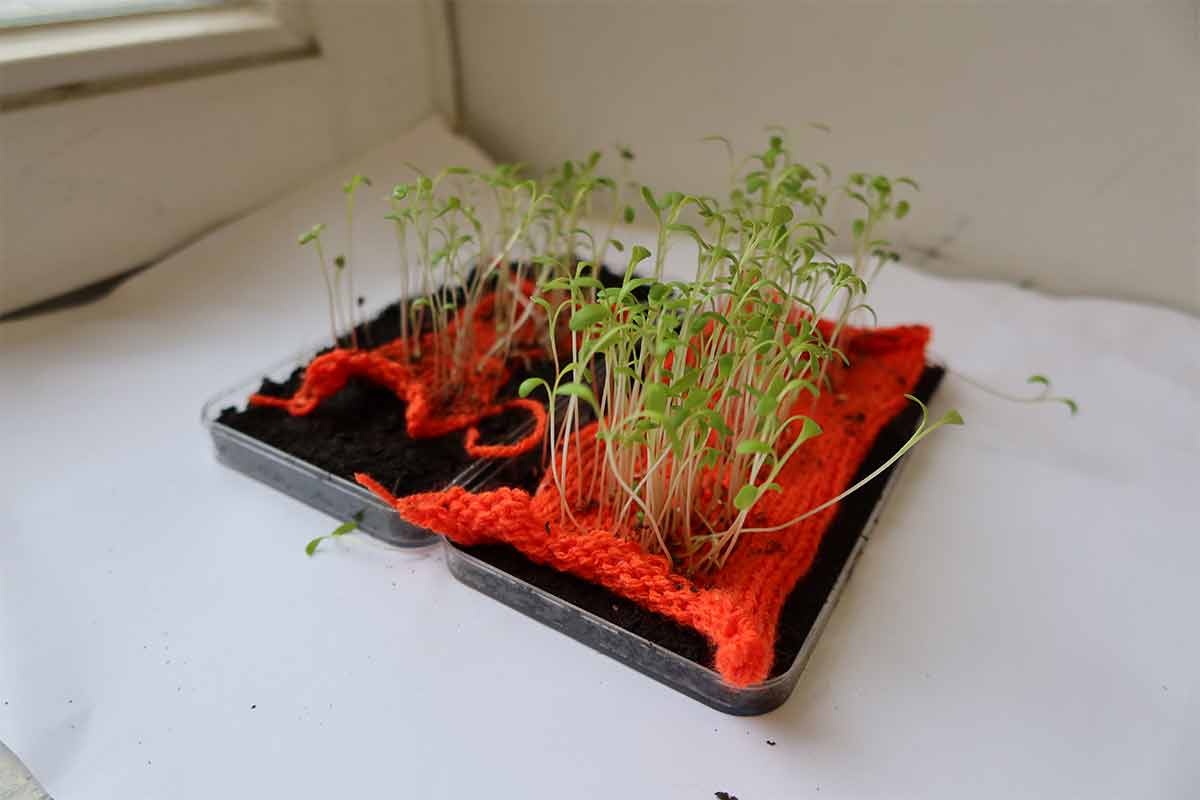
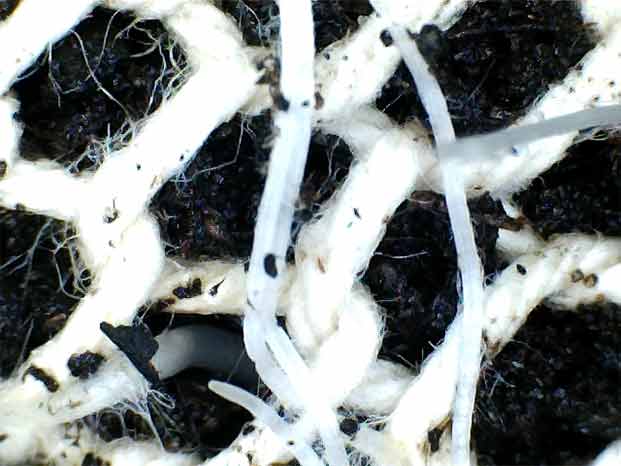
This artistic research studied how roots of garden cress grow. To explore the shapes, I planted the cress in little see through boxes I had. After that I knitted different pieces of fabric, some more see through, others more compact. In the same type of box I planted the water cress and the fabrics together. The differences in boxes were as follows: material (cotton, acrylic or wool) and the order of the dirt, textile and seeds. In the end I made pictures of the best connections between textile and root with a microscope.
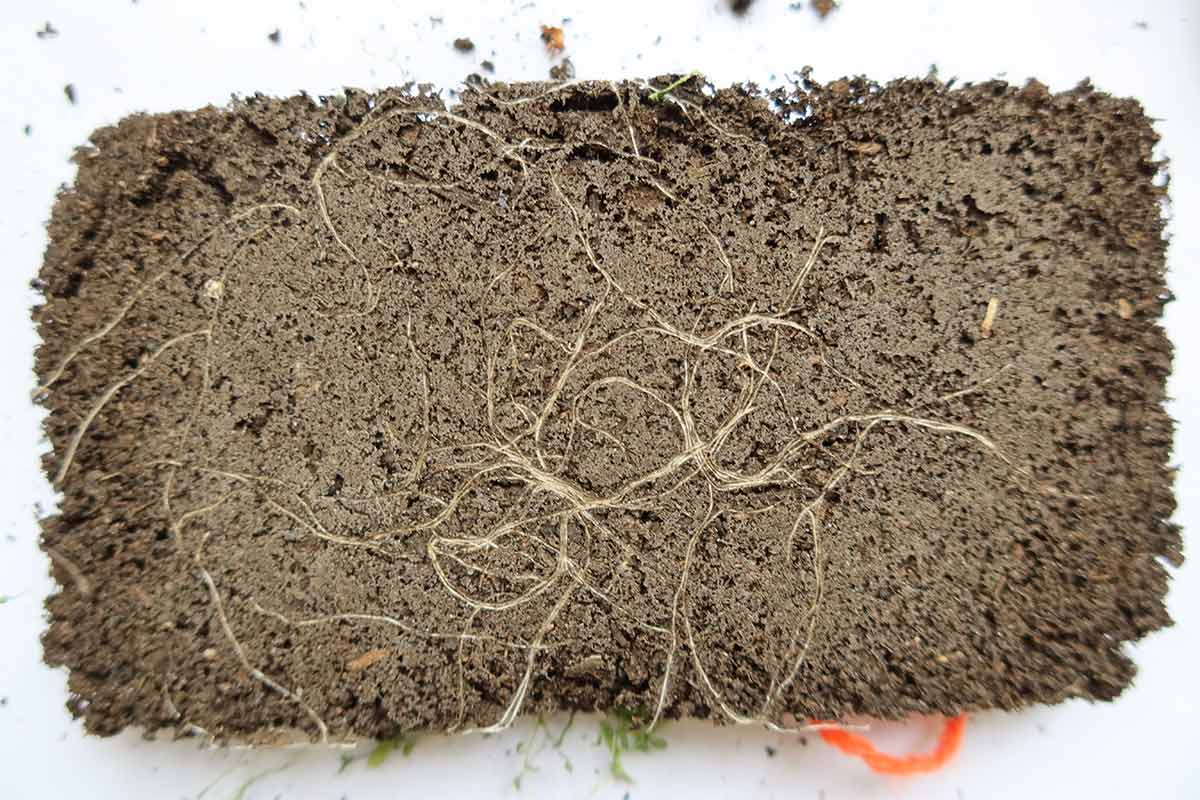
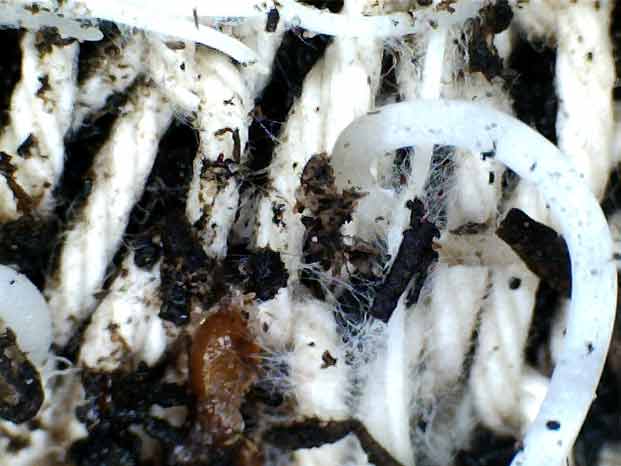
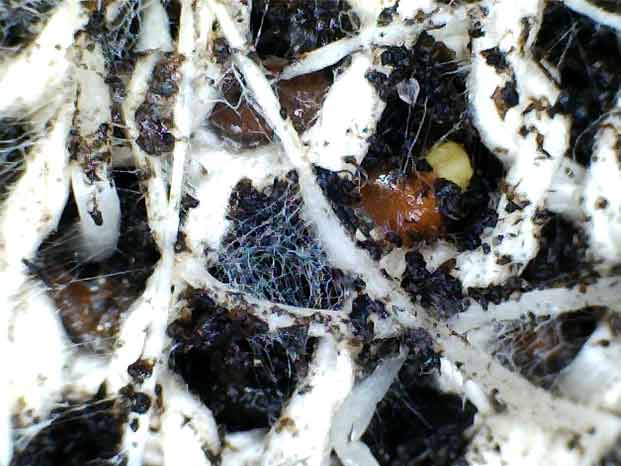
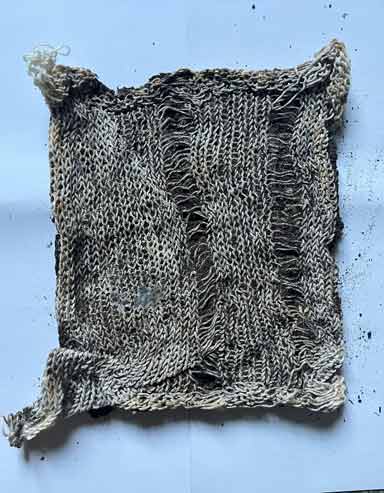
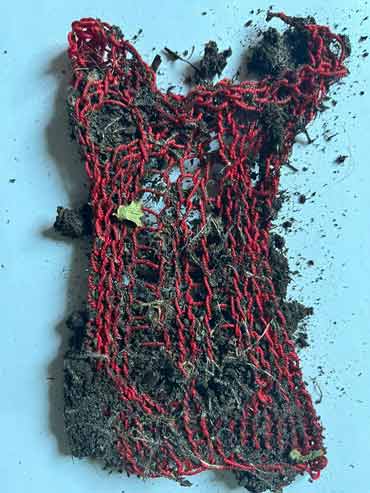
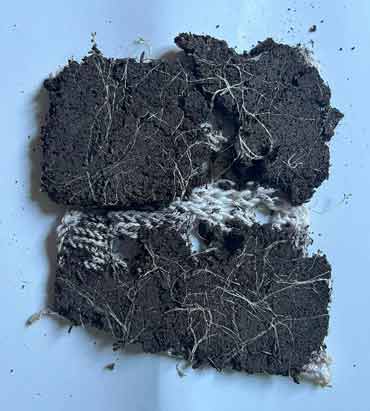
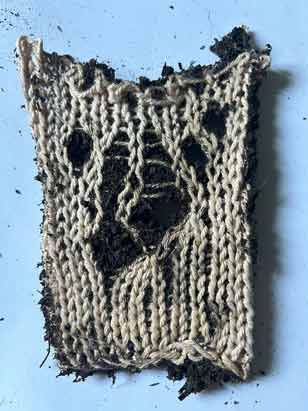
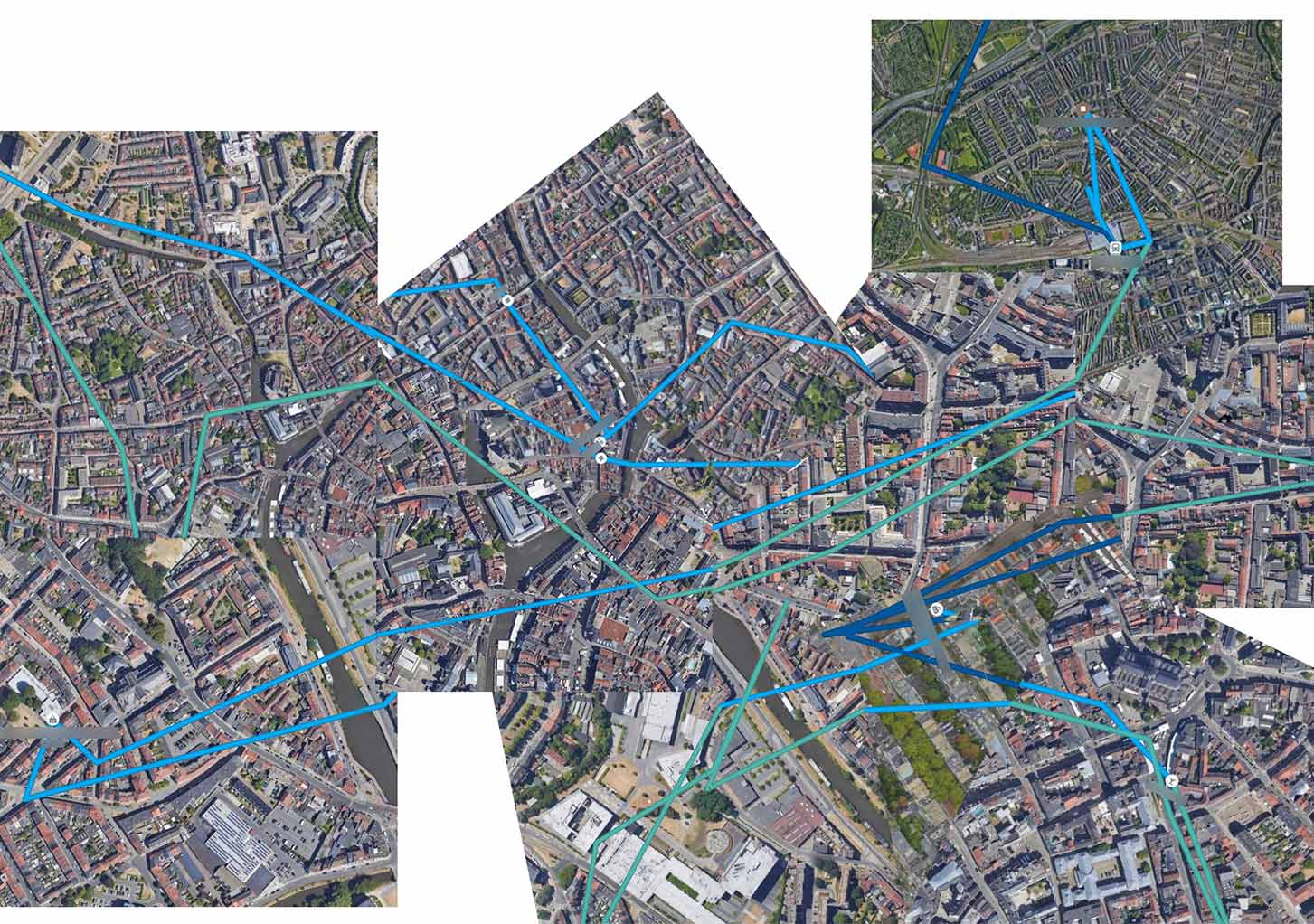
The different networks the roots formed made me think about my own network in life. I tracked myself for the same time as the roots networks were being formed and made a map of myself. My interests in maps made me want to collect this data in the form of a map. The following map is a collage from different data.
The project around lace started when I visited the lace museum in Brugge. On show were very old and more recent pieces of lace as well as pieces from contemporary artists that worked with lace. In a separate room women were making lace, looking at their hands whilst they were working made me appreciate the intricate technique of lacemaking. It made me dream of making a very big web of lace. The appreciation became even more apparent when I tried to make a little piece of lace myself, it took a very long time and the dream of creating a big web soon faded away.
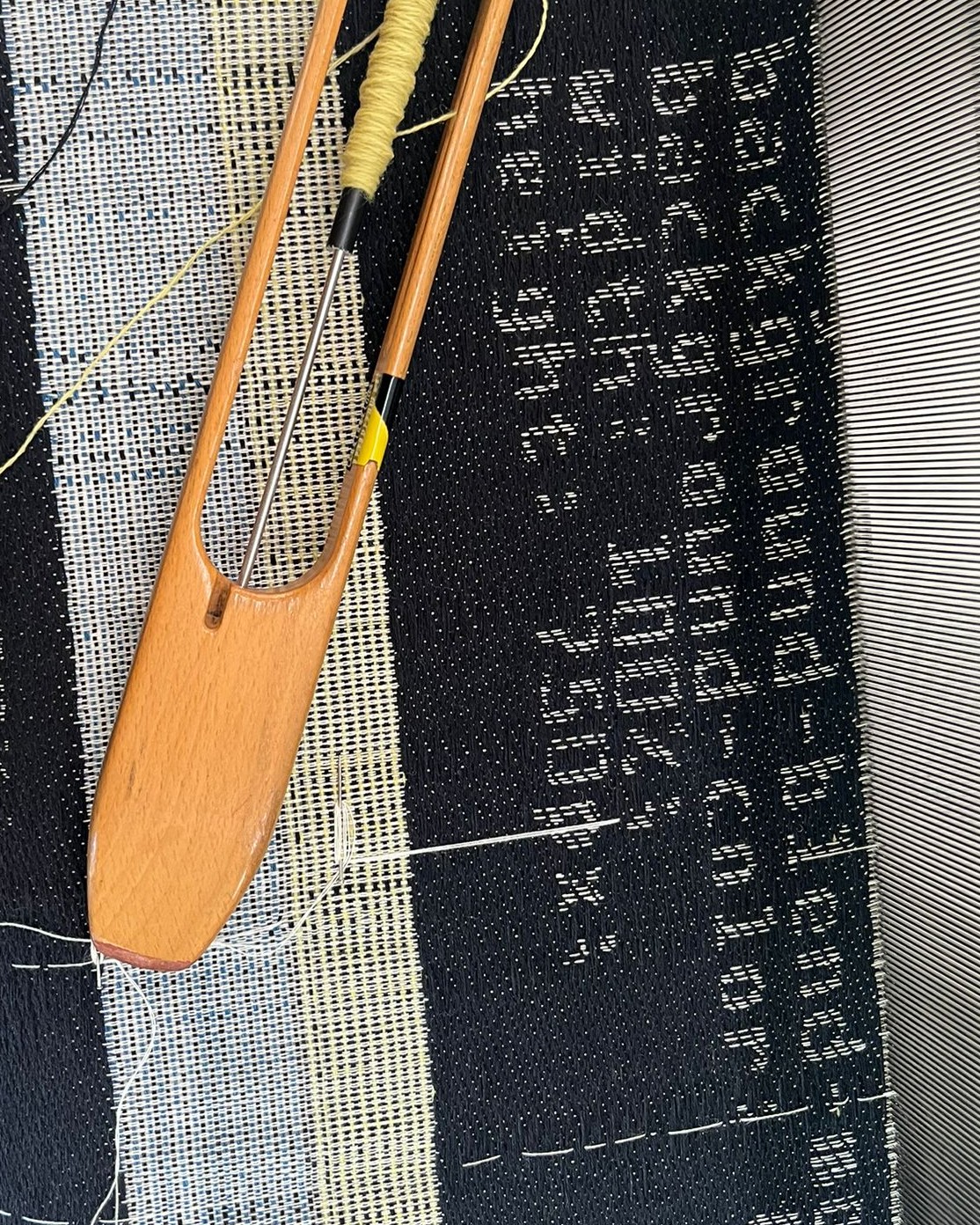
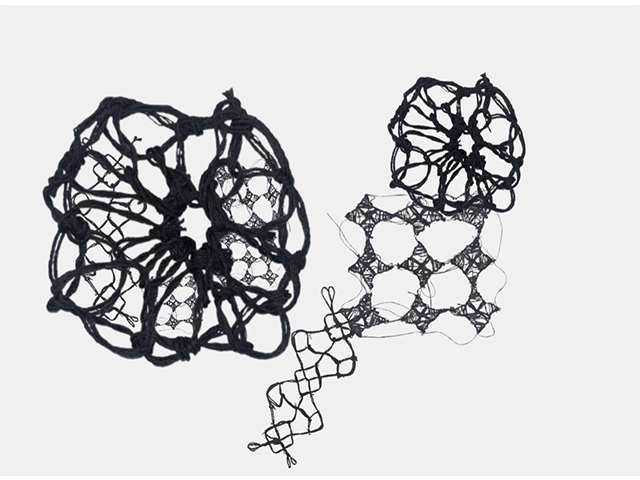
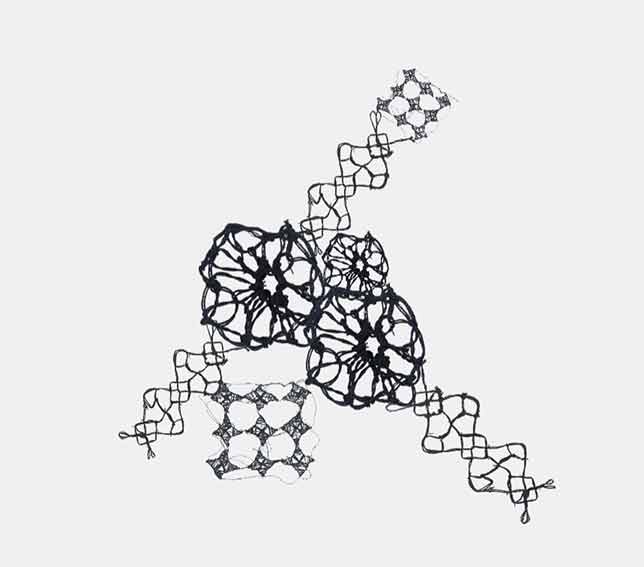
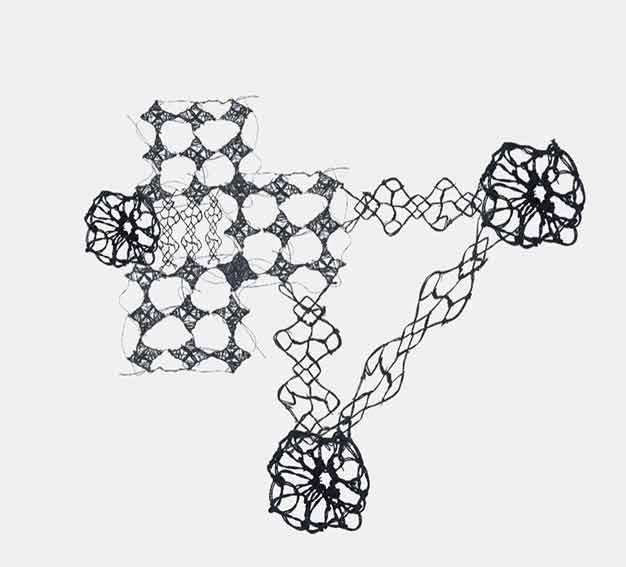
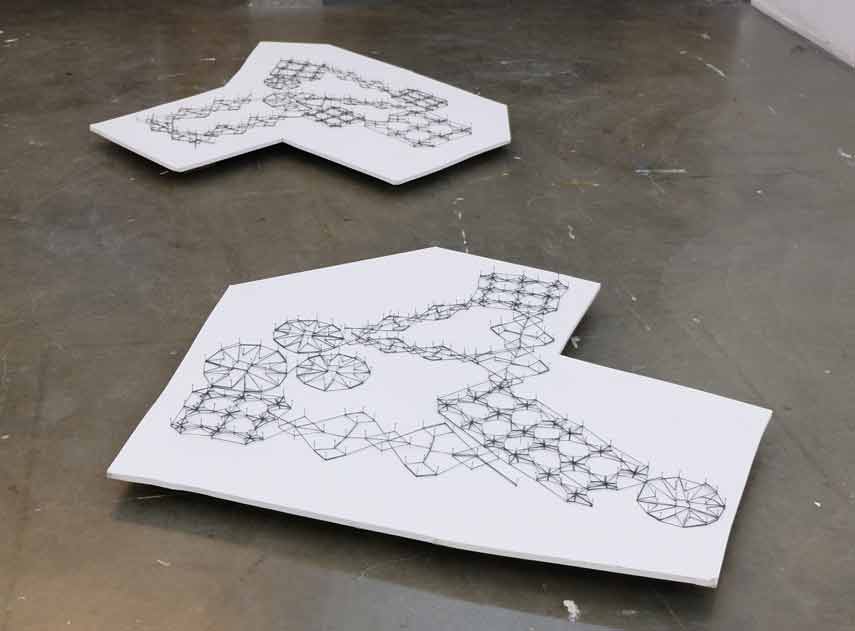
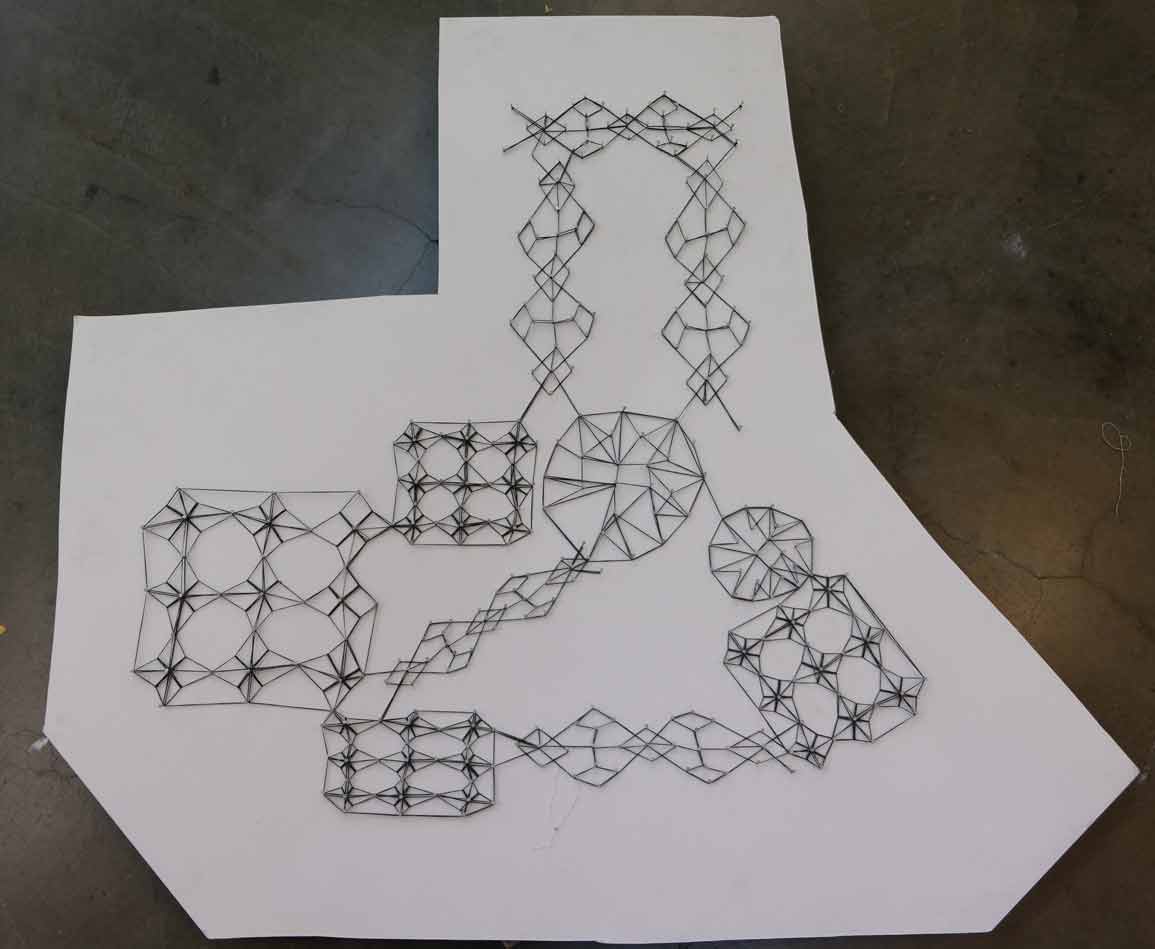
I first studied some lace patterns, but it left me confused because I could not read them. Being too eager to start making my own lace I decided to try to abstract the pieces of lace by finding the key lines of the structures. After that I found the key points and drew those on a wooden panel, these dots were filled by nails. With a little knowledge from the museum and the lacemakers I used needle and thread and tried to recreate the lace in a more abstract form. The lace took me a long time to make. During the rest of the project, I kept working on it as a reminder of what kind of craft I was working with.
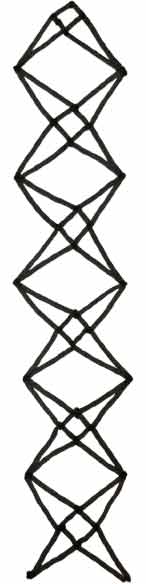
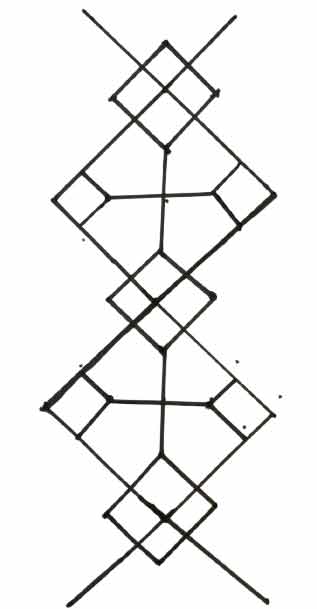
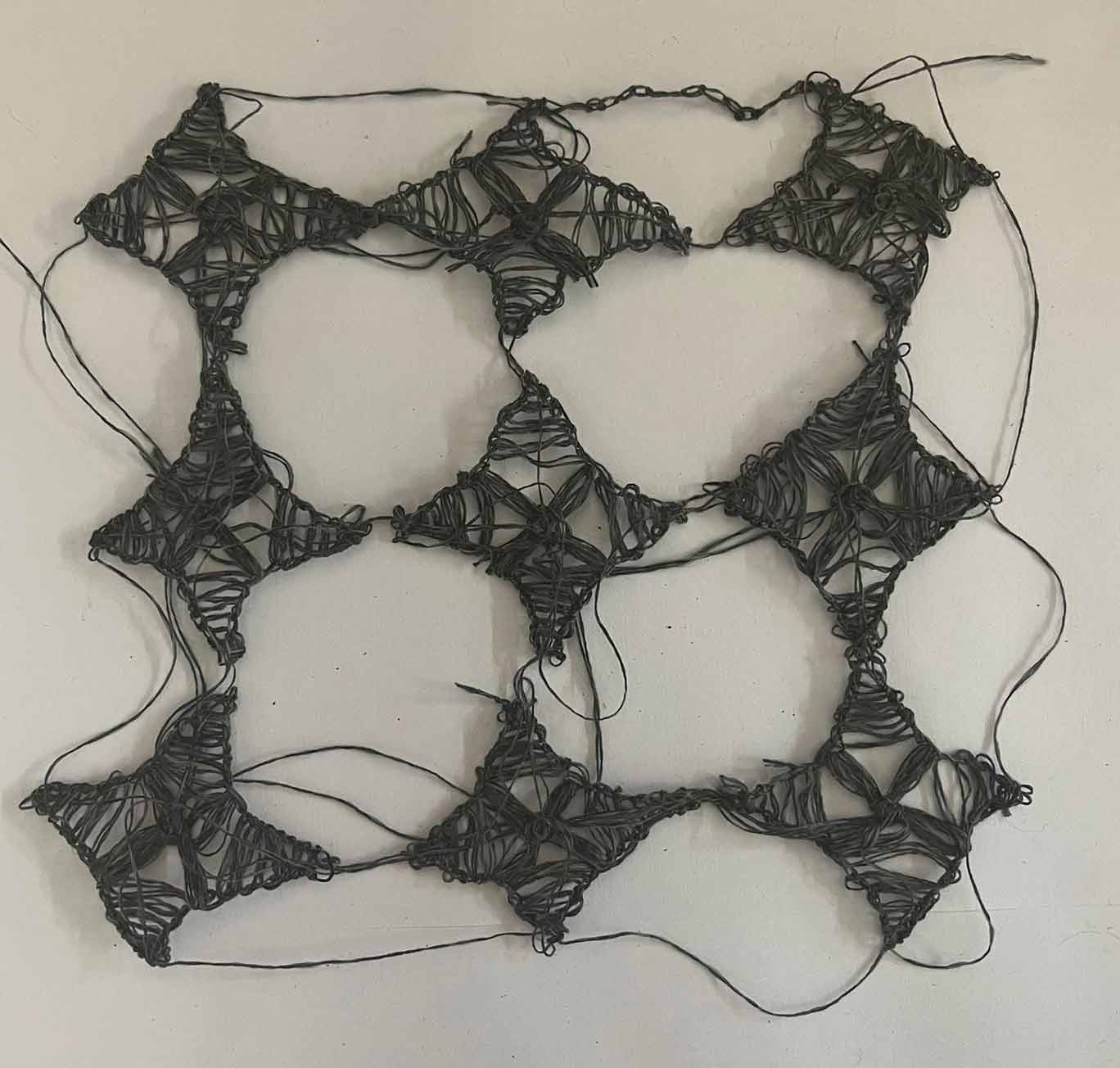
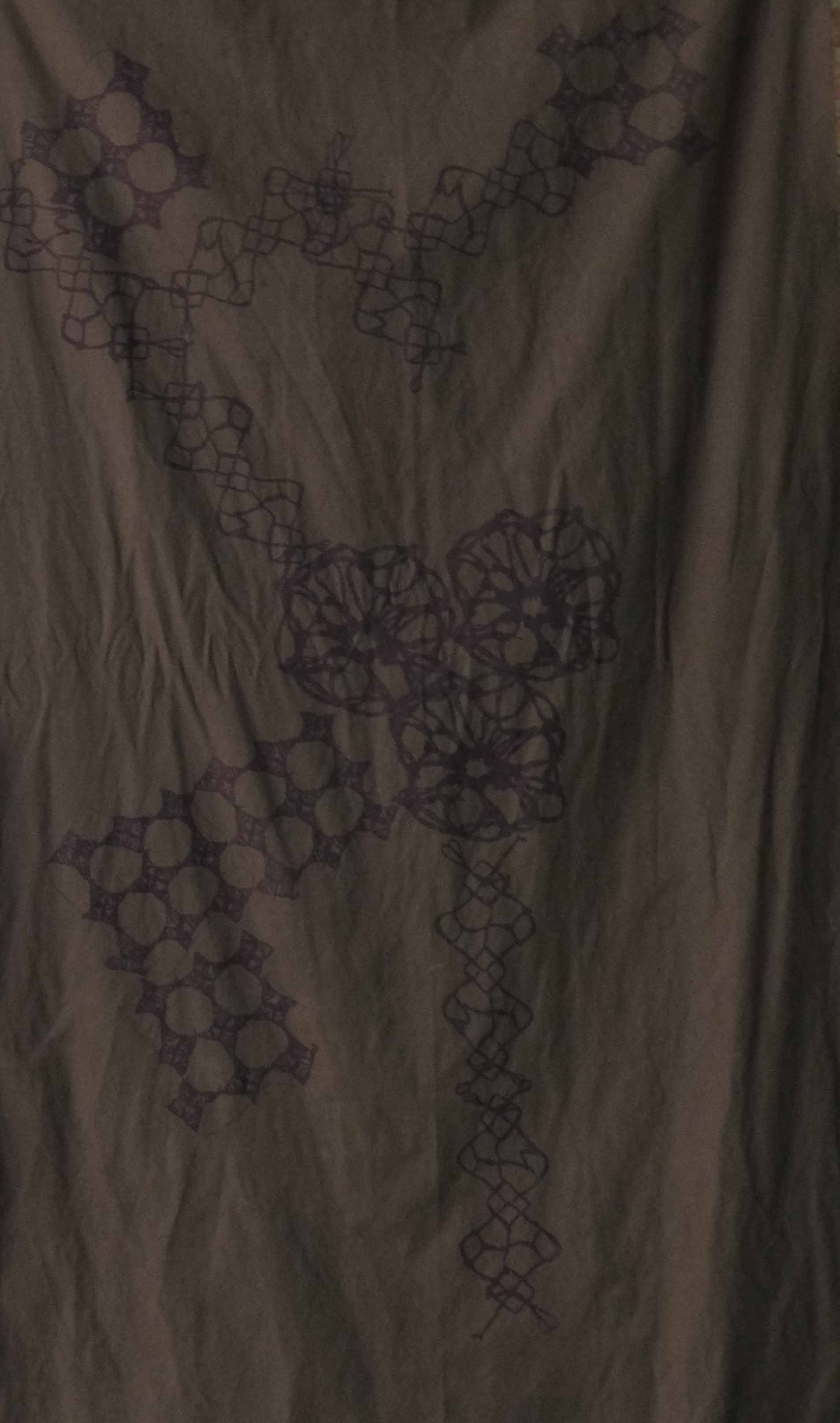
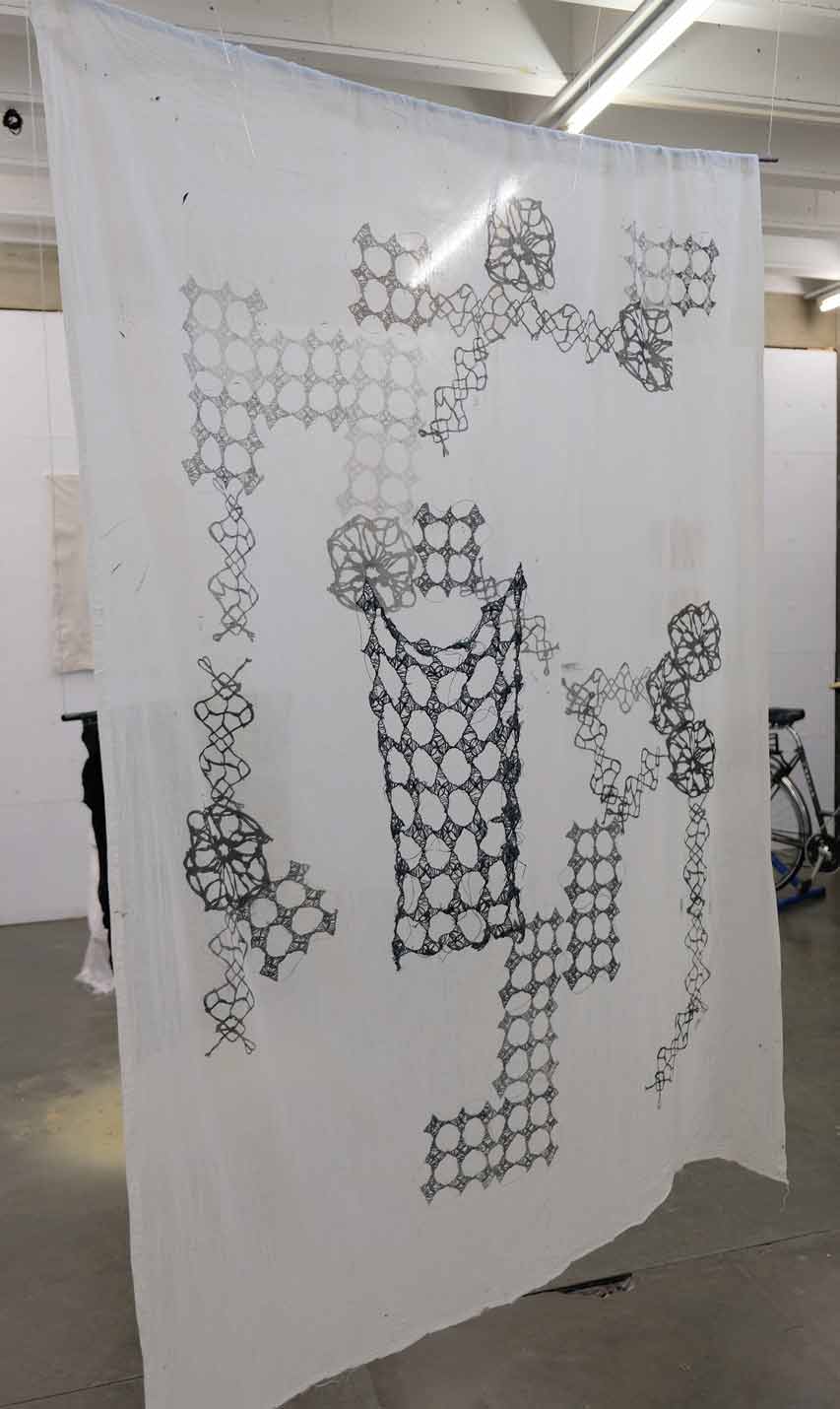
The dream of creating a big piece of lace popped up in my head occasionally, I didn’t want to let it go. So, I tried to look for alternative ways to realize this plan. Firstly, I used the technique of silkscreen-printing, by creating patterns with the little pieces of lace I had already made I could use the silkscreen as a copy-paster. With these patterns I was also able to create compositions that were more intricate and took way less time. Soon I had filled up big pieces of textile with the compositions, all the while I was still working on the little piece of lace I was making by hand.
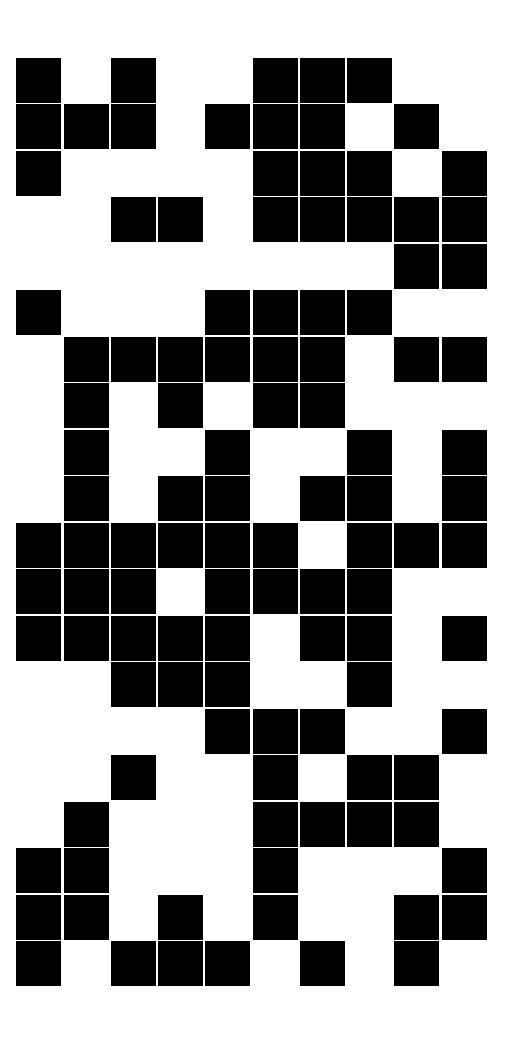
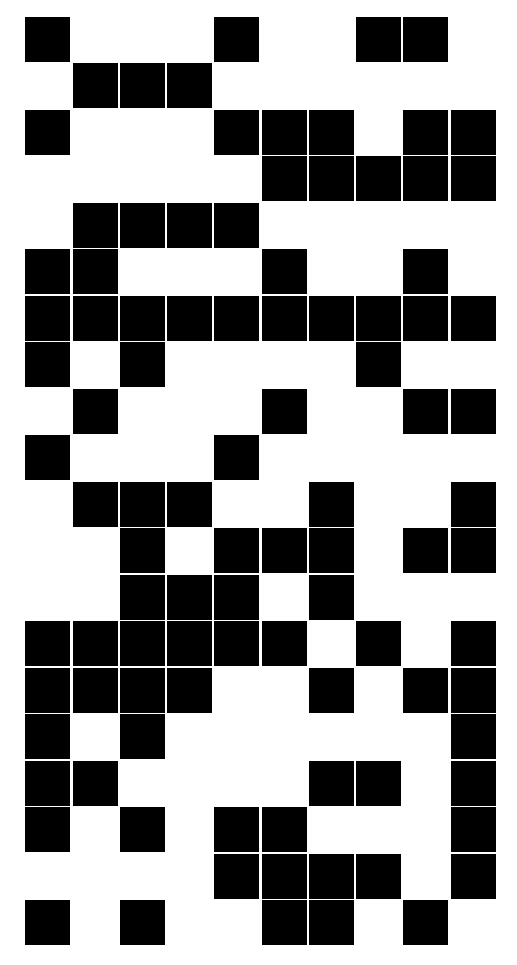
Secondly, I wanted to find a digital and open-source way to create compositions that I could share with others. With scans of the same pieces of lace I made a Web-Page where people can build their own compositions. With the plan to make a databank where these compositions can be saved and downloaded to use. I asked people around me to make some compositions and chose some to recreate with needle and thread again (but simpler than the intricate piece I was still working on). These compositions stayed on the wooden panel because of this. In the future I would like to recreate one of these compositions with the same slow-paced technique as the one I used for the smaller piece of lace.
For a long time, bikes and bike repair have been a part of my life and surroundings. As a child I remember my dad staying busy cleaning and doing minor repairs on his bike. When I got older, he taught me all he knew and we started fixing our bikes together. When I moved out me and my friends often went to a free bike repair shop called ‘DHZ fietsenwerkplaats’ so bike repair stayed a central part of my life. When I moved to Gent for my studies my daily life and network changed a lot. I didn’t know where to go to fix my bike and I also didn’t have the tools to repair it myself.
This change sent me to look for a new network and brought me to the bike-repair shop around the corner of my house. I asked the owner if he wanted to work together and/or let me help him with repairing bikes so I could learn more about it. He was super interested and told me about his school called El Laboristo. At this school he offered bike repair classes to teenagers. He also worked as a welder and made projects with bikes in his free time. We decided to work together.
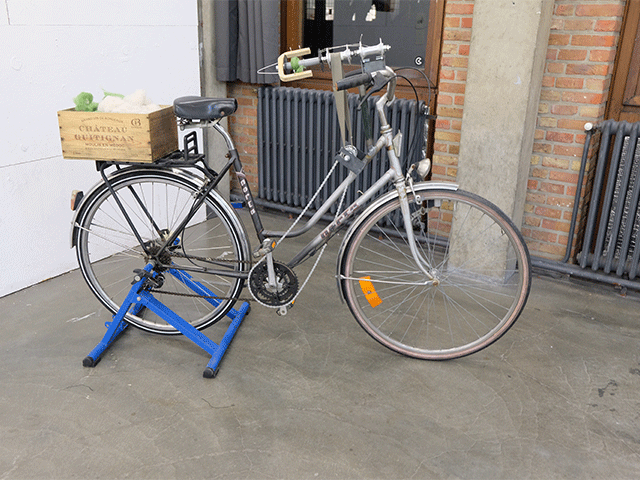
At first, I came to help in the shop once a week and he showed me all the places he worked at; I began with organizing a workshop for the teenagers in the bike repair class (more details about it are written in the tile workshop). After getting familiar with his network I wanted to work together and create a link between our worlds. After some brainstorming, we wanted to make a spinning wheel on a bike. The idea was for the bike to still be usable to ride around and to spin the wheel has to be elevated. During this project I wrote texts about my life from the point of view of the bike and made this into a little booklet. Part of this booklet is also an instruction manual on how the spinning bike was made so it can be recreated.
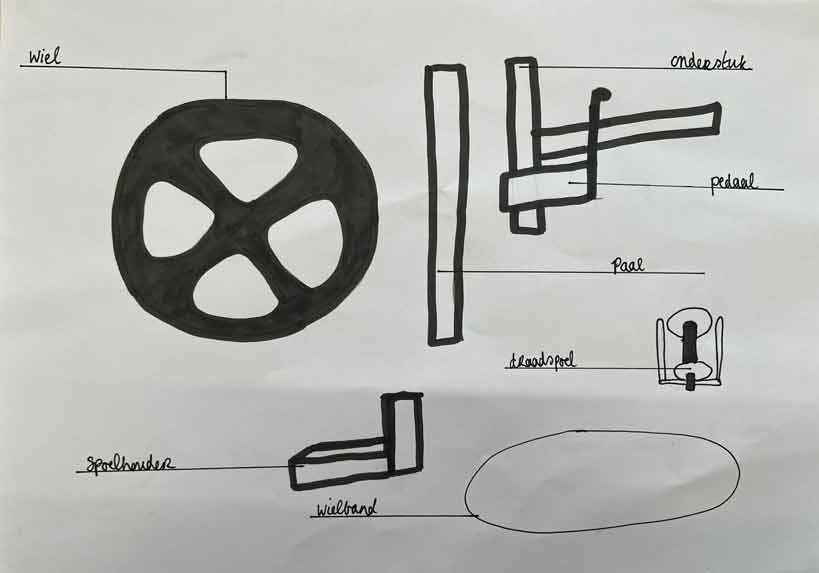
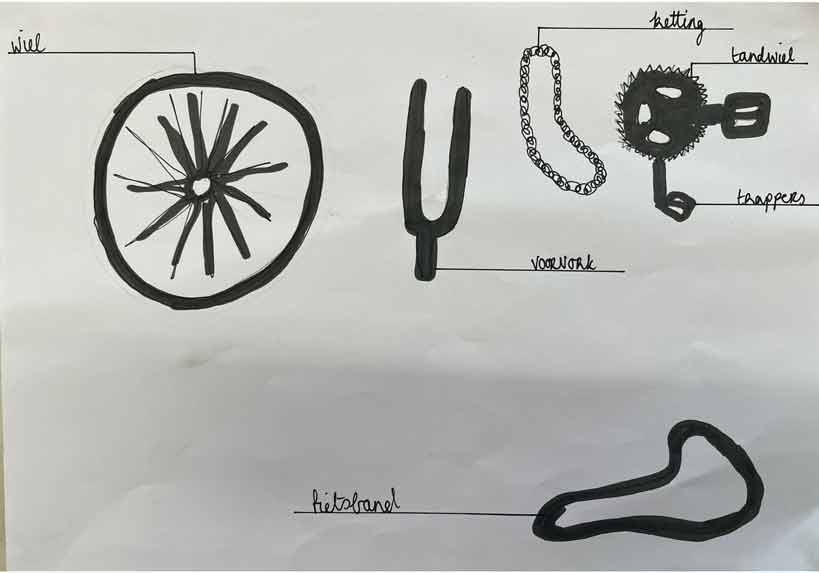
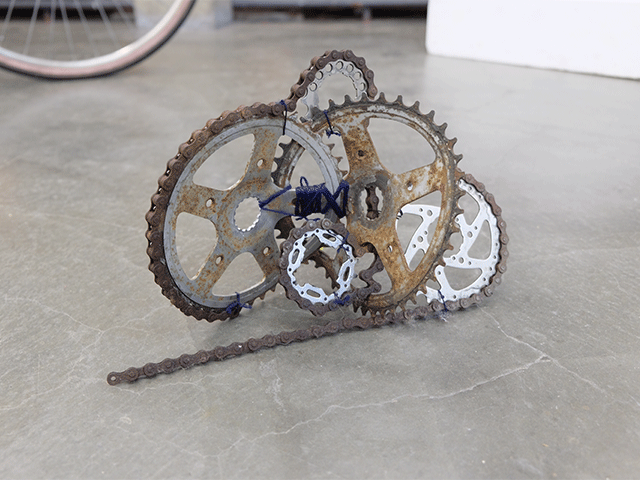
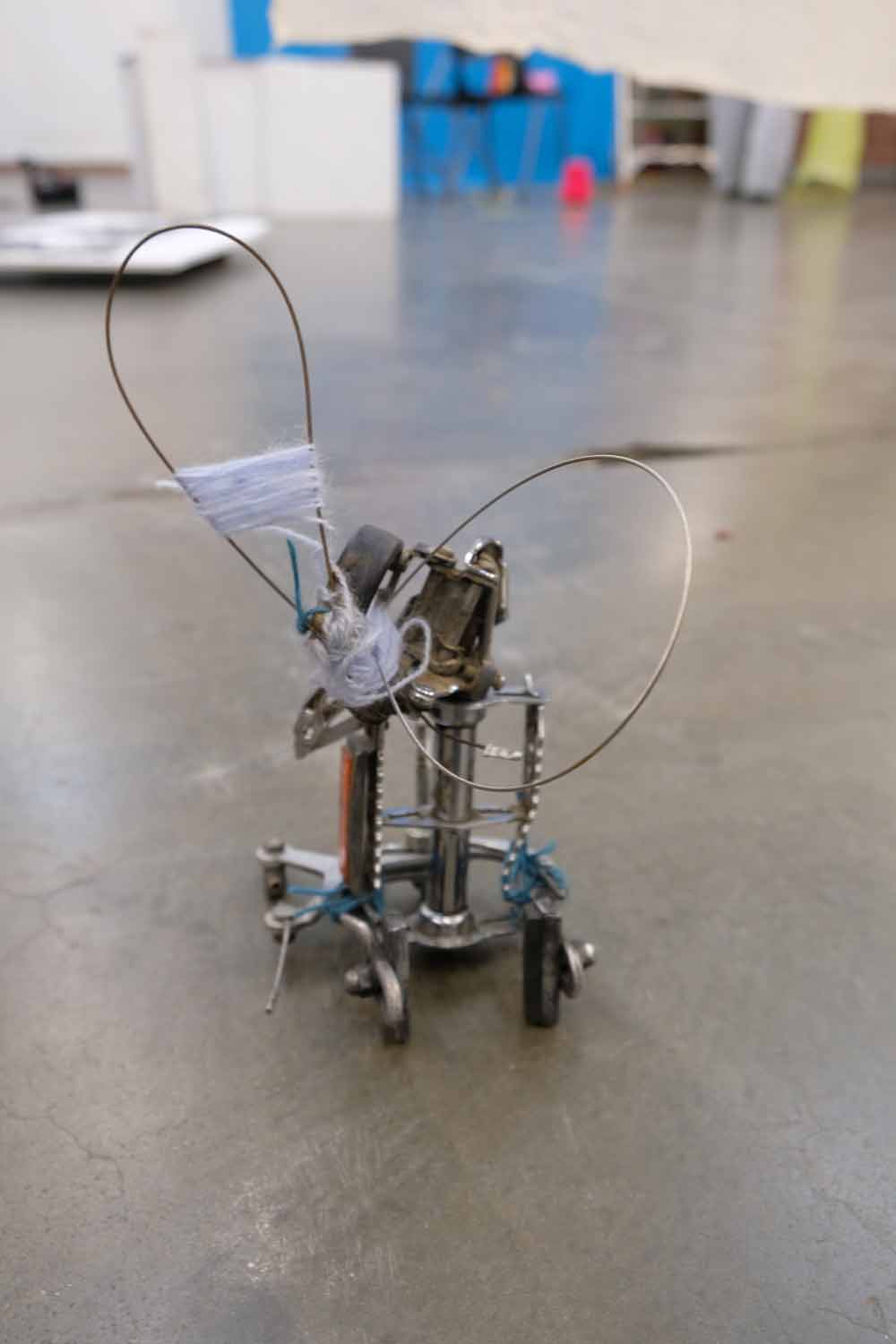
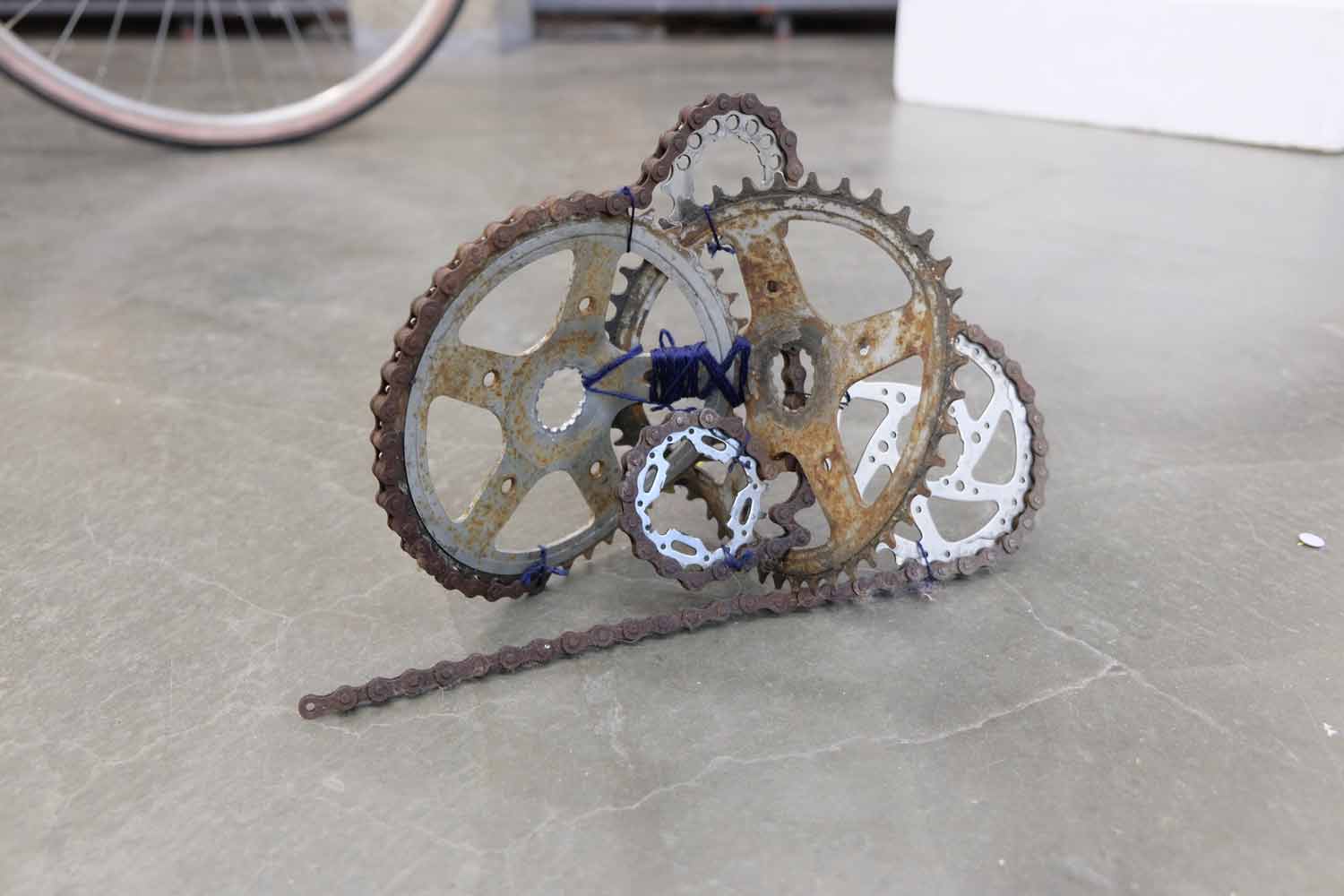
As a part of the collaboration with El laboristo bike collective I came into contact with teenagers that participated in bike repair classes with the collective. At first, I observed the classes and had some conversations with the students about their life and interests in bike repairing. During these days I saw that there were several trashcans where the students would leave the broken bike parts to be thrown away with scrap metal. These objects intrigued me because some bike parts were so broken that they didn’t look like what they were supposed to look like anymore. I wanted to use these materials for a workshop about scrap objects.
The next week I hosted a workshop with these broken bike parts, the goal of the workshop was to build a sculpture with these parts as a group or by yourself. With a message of looking at the parts that were labeled as ‘trash’ and giving new purposes for them. I was surprised to see how well they picked up the base of the workshop and gave their own spin on it by using tools that were laying around the space and how well they knew their way around these tools. Their creative insights really gave me new perspectives. And with these skills and perspectives we were able to build and connect different sculptures.
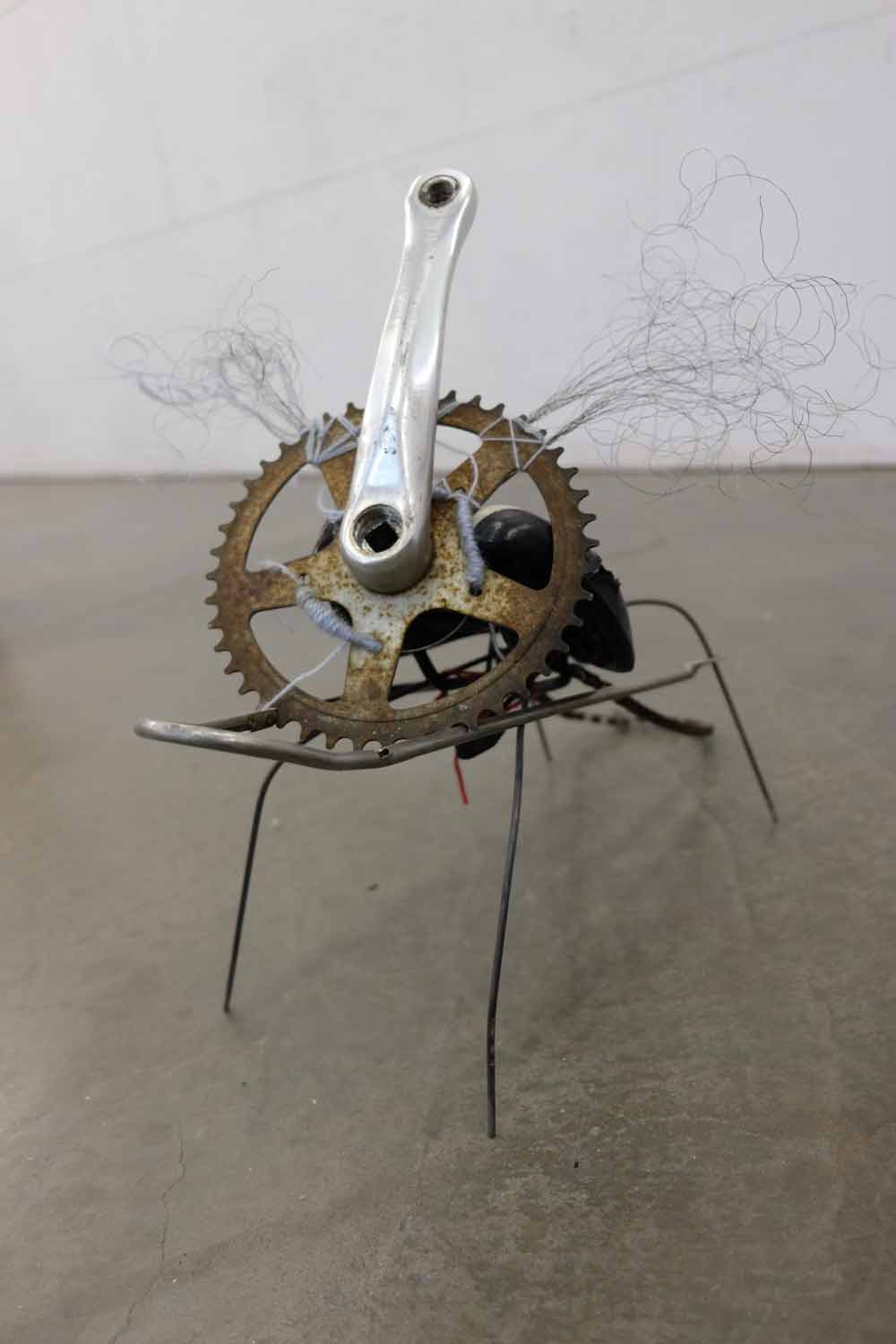
At the time of this project, I was feeling a bit overwhelmed by expectations and the current situation of the world, hearing only tragic news and feeling helpless in being able to change anything. I was dreaming of being a child again, living in my own world and not bothered by my surroundings just playing and resting. I tried to look for elements that gave me this carefree feeling, elements of play or rest.
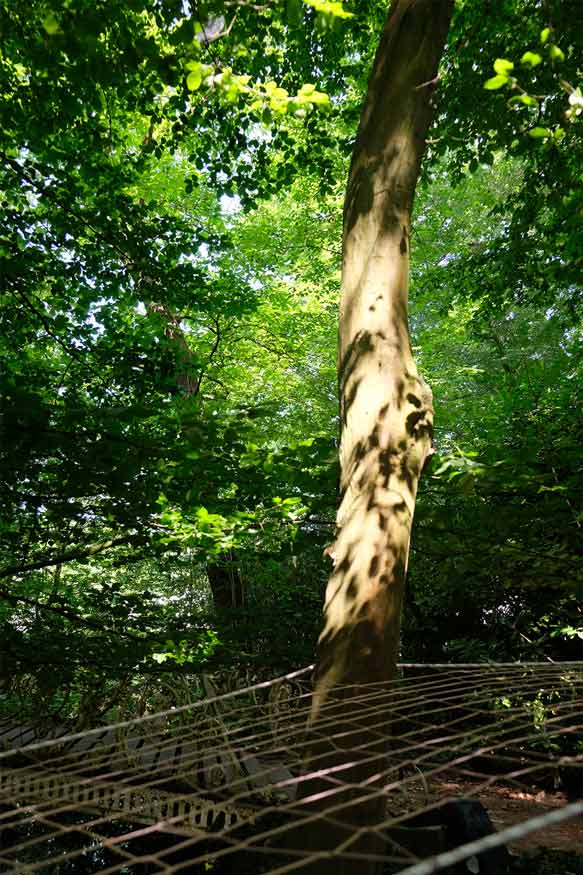
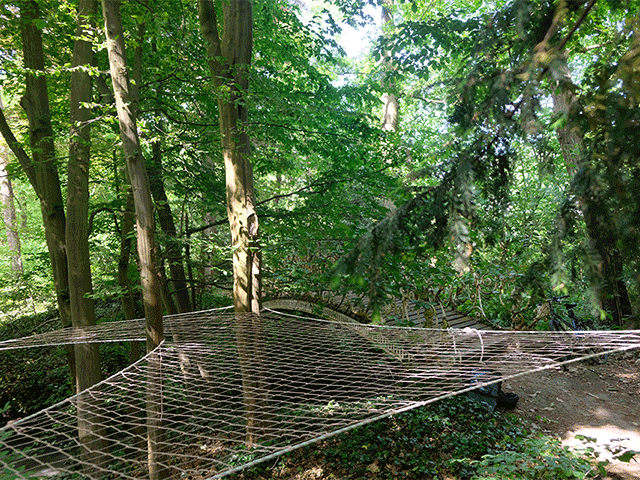
Whilst having a hike in a nature reserve I came across a tree net, it immediately gave me the feeling I was looking for. I wanted to climb up the tree and lay down in it, so I did. I felt so relaxed.
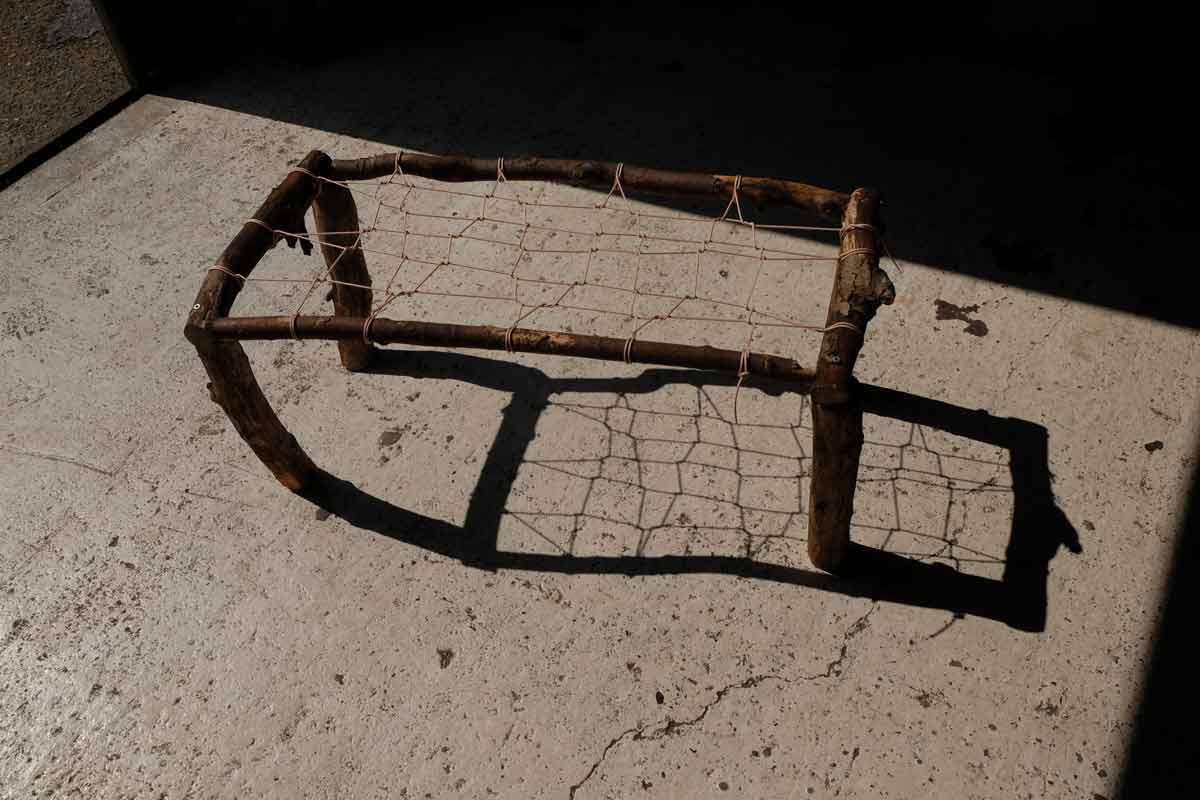
It made me want to learn to make a tree net myself. I started with research on tree nets to find out what materials I needed. First, I started small and tried to learn the tree net ‘weaving’ technique. Once I knew how to knot all the knots, I went to the forest with a friend to make my first tree net. The process went slow but steady and it really intrigued me how this thread would be able to carry me. It made me think how the net and me would have an exchange of effort, first I would use my power and energy to build the net and afterwords the net would give its energy and power back to me by being able to carry me.
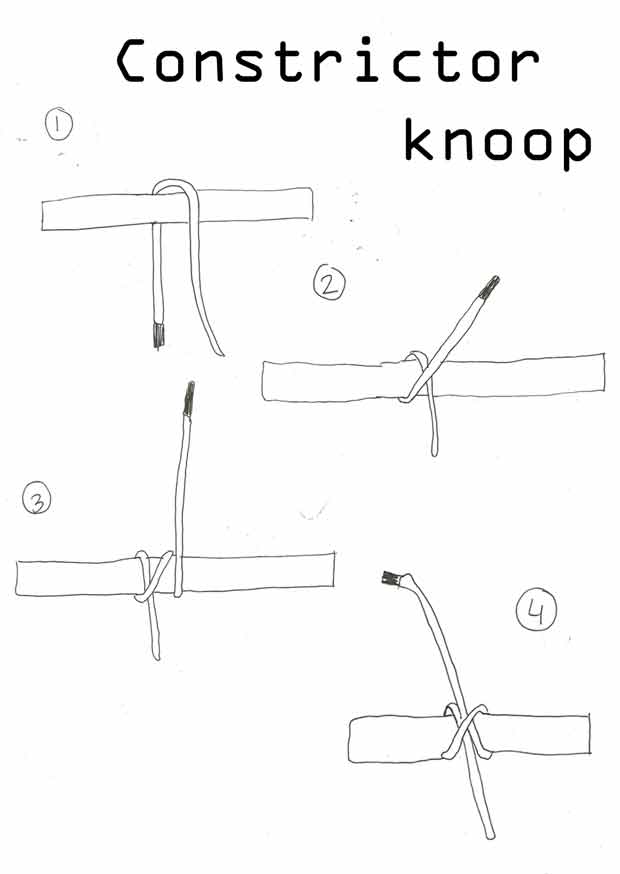
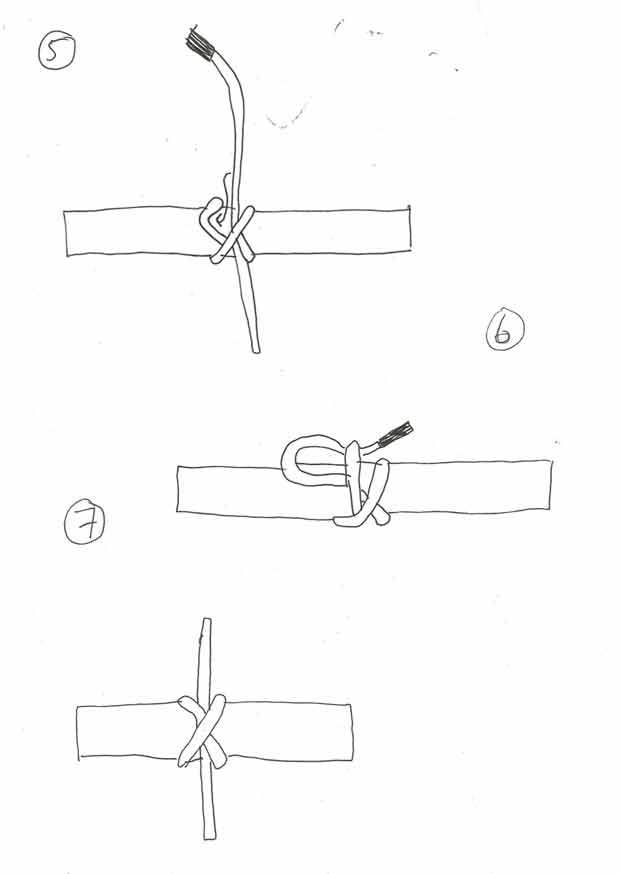
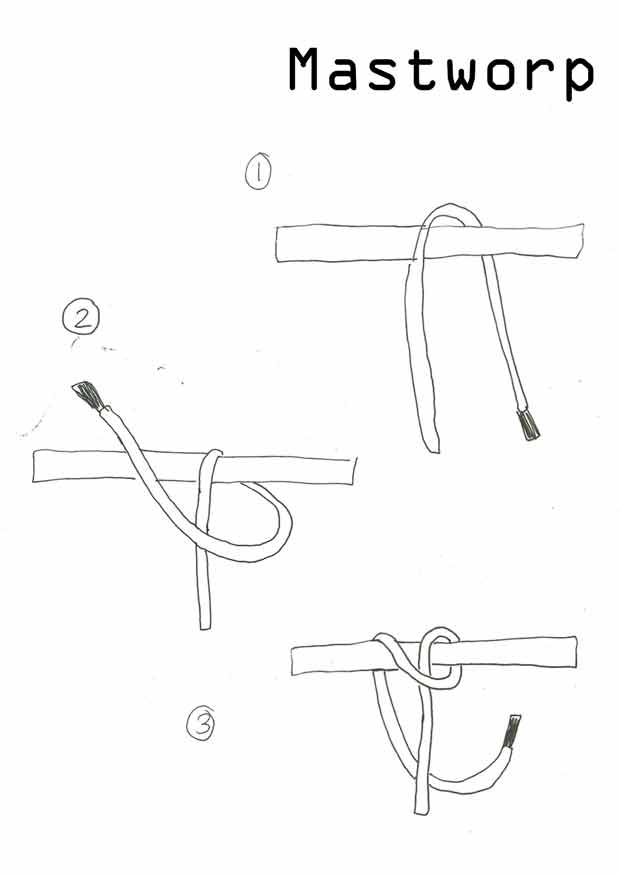
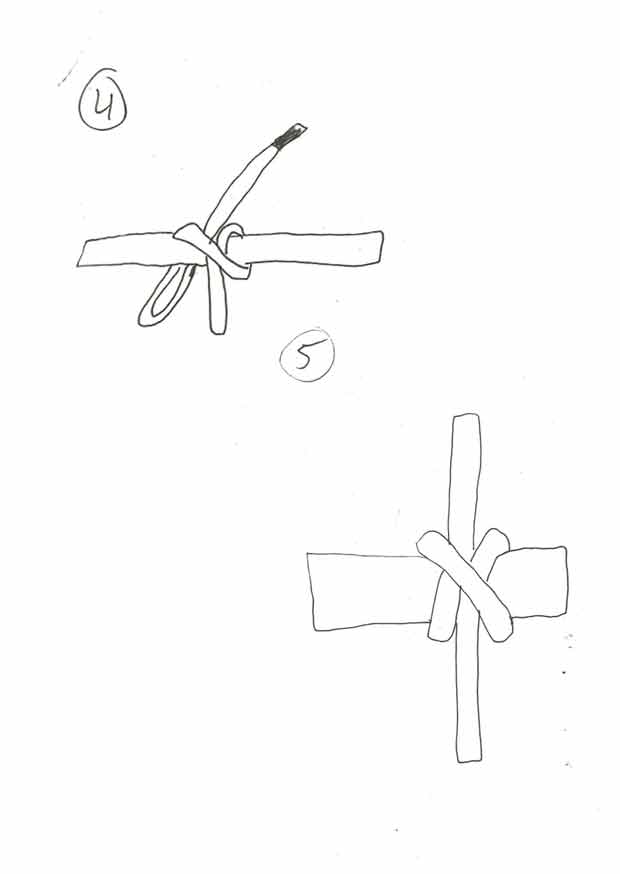
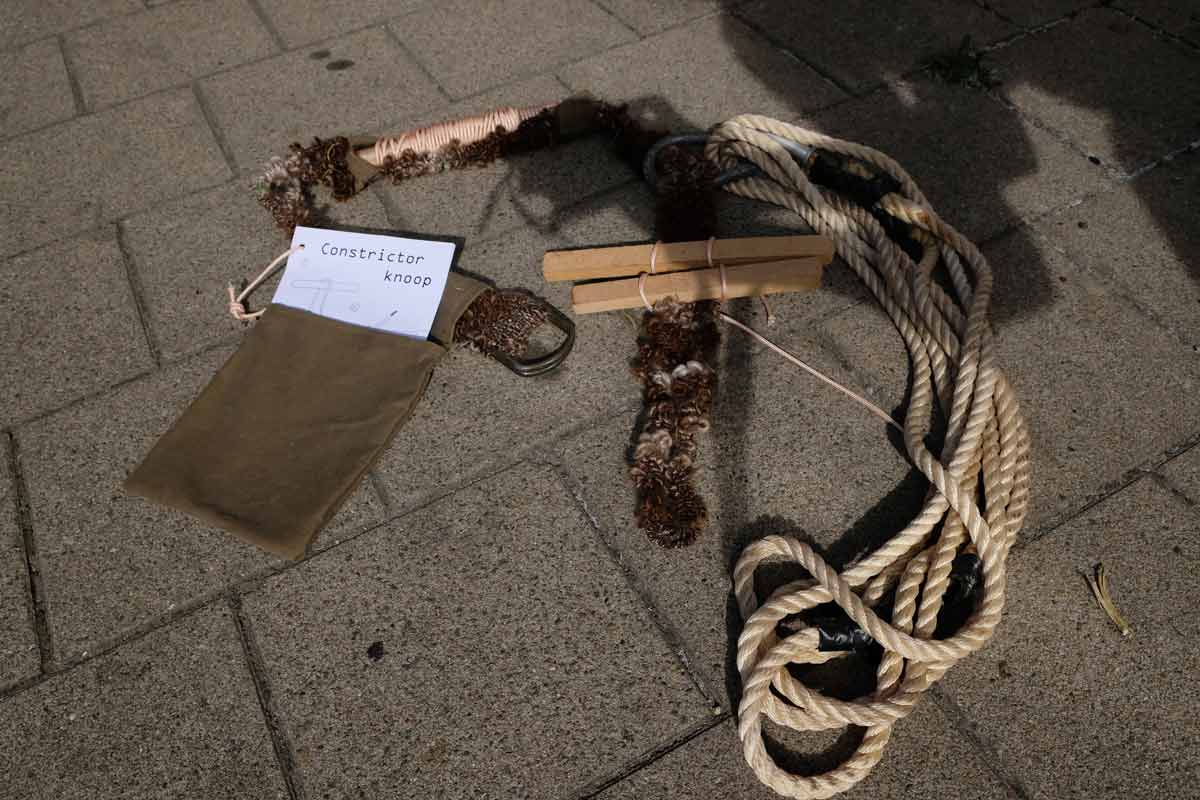
Building the net made me think about what kind of uses it could have for other people. Whilst I wanted to use the net as a space to lie down and relax this didn’t have to be the case for anybody else. This is why I wanted to share my knowledge of tree net weaving. To do this I made a tool belt that people can wear that have all the materials needed to build the net. I recorded the process of building the net in a video as a further instruction.